Shooting Lessons
Your First Round of Sporting Clays: What to Expect
Sporting clays is golf with a shotgun. Here is how a round works, what to bring, and the etiquette nobody tells you.
By Wing and Clay ·
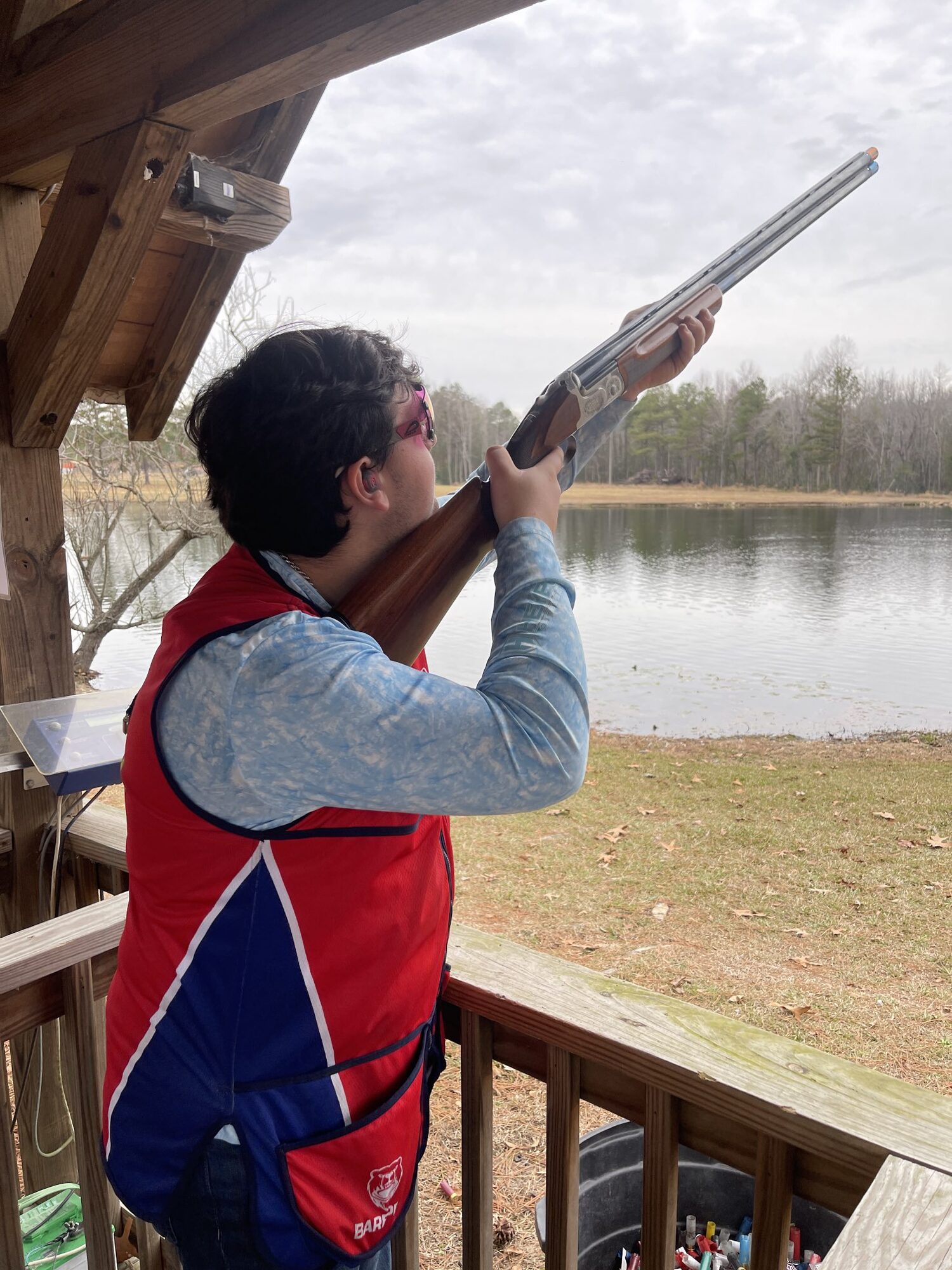
Sporting clays is often called golf with a shotgun. You walk or ride a cart around a course of stations, and at each one the targets copy something you would see in the field: a rabbit bouncing along the ground, a duck rising off water, a dove crossing high overhead. No two stations look alike, which is why people get hooked.
How a round works
- A typical round is 50 or 100 targets spread over 10 to 15 stations.
- At each station you shoot a set number of targets, usually thrown as pairs. A report pair launches the second target at the sound of your first shot. A simultaneous or true pair launches both at once. A following pair launches the second right after the first.
- You call for the target ("pull") when you are ready, and the trapper or the voice-release launches it.
- Your squad, usually two to five shooters, rotates order at each station.
What to bring
- A shotgun you can handle safely. Most people shoot a 12 or 20 gauge. Over-and-unders and semi-autos are both common. Many clubs rent guns.
- Shells. Target loads in 7½ or 8 shot. Bring a few more than the round calls for.
- Eye and ear protection. Required. Clear or tinted shooting glasses and plugs or muffs.
- A hat with a brim, a shell pouch or vest, and water.
Etiquette that matters
- Keep the action open and the gun unloaded everywhere except in the shooting stand.
- Only load in the stand, with the muzzle pointed downrange.
- Watch a "show pair" before your squad shoots a new station, so everyone sees the targets.
- Keep it moving. Be ready when it is your turn, and don't coach other shooters unless they ask.
- Pick up your hulls if the club asks.
First-round tips
- Look at the target, not the barrel. Your eyes lead; the gun follows.
- Pick your break point before you call for the target: where you want to hit it.
- Start your move with the bird, not ahead of it. Then come through it.
- Take a lesson. One hour with an NSCA-certified instructor will save you a season of bad habits.
Your first score doesn't matter. Breaking a few targets you thought were impossible is the point.